Understanding Dysphagia
20–25 minutes
Trouble swallowing is common in dementia. Learn the signs and symptoms of dysphagia and how to manage it safely.
Begin Lesson
Lesson Outline
Dysphagia means trouble swallowing and affects up to 93% of people living with dementia.
Common signs include:
Common signs include:
- Wet or gurgly-sounding voice immediately after swallowing
- Needing extra time to chew or swallow
- Coughing, throat clearing, or choking during or after swallowing
- The need for smaller bites or sips
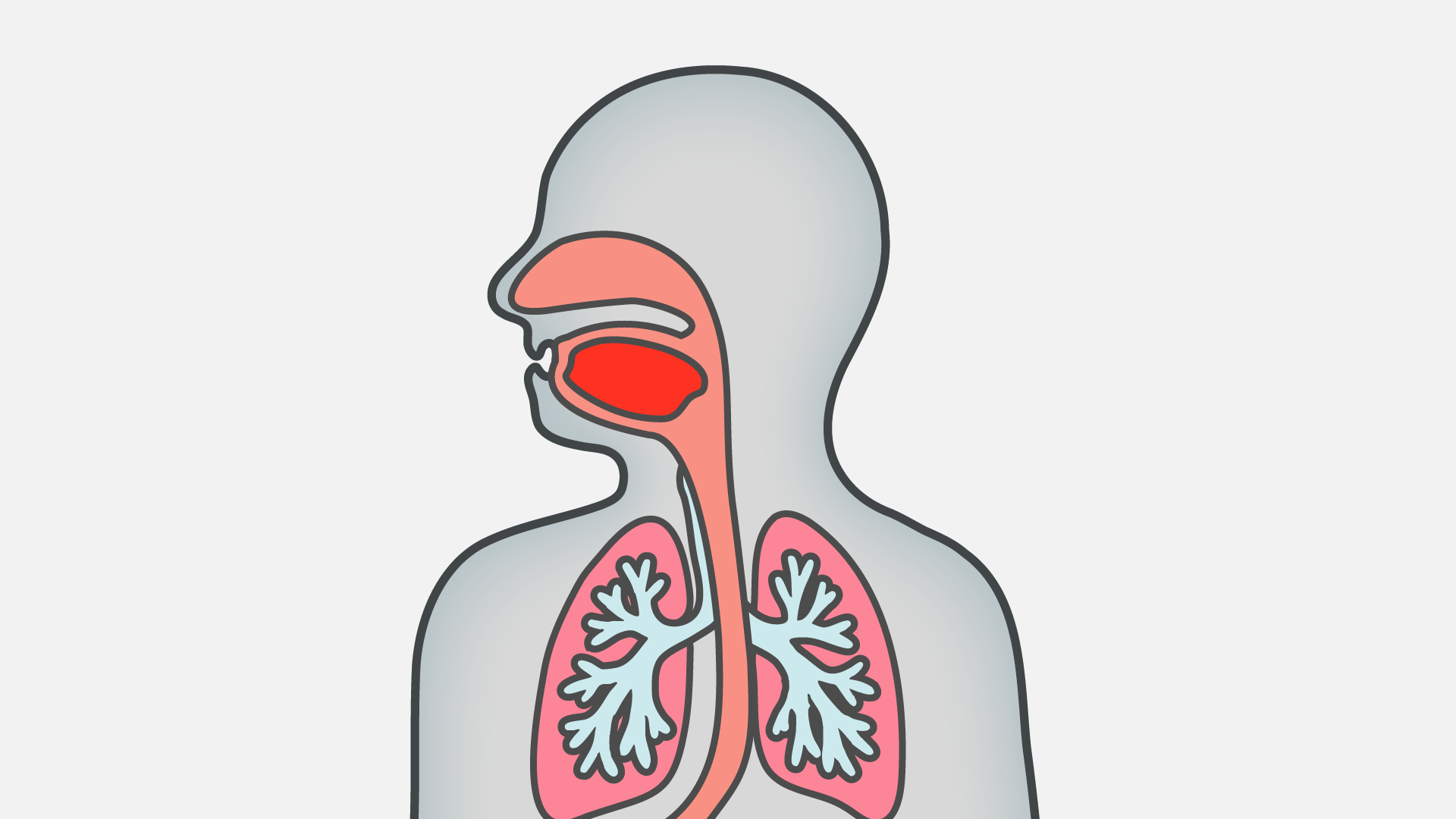
Swallowing problems can lead to serious health and emotional challenges. When food or liquid goes down the wrong way (aspiration), it can cause choking or even lung infections like pneumonia. Sometimes, food or drink stays in the throat after swallowing, which can also increase risk.
Over time, swallowing difficulties may lead to eating less, dehydration, malnutrition, muscle loss, and unhealthy weight loss—making a person weaker and more vulnerable to illness.
It’s not just physical. Dysphagia can make mealtimes stressful, causing fear, frustration, anxiety, and even social isolation. Some people feel pain when swallowing, turning eating into an unpleasant experience.
Speech-language pathologists can assess and treat dysphagia by developing strategies to make swallowing easier and safer. Occupational therapists and dietitians can support eating independently and ensure adequate nutrition.
Over time, swallowing difficulties may lead to eating less, dehydration, malnutrition, muscle loss, and unhealthy weight loss—making a person weaker and more vulnerable to illness.
It’s not just physical. Dysphagia can make mealtimes stressful, causing fear, frustration, anxiety, and even social isolation. Some people feel pain when swallowing, turning eating into an unpleasant experience.
Speech-language pathologists can assess and treat dysphagia by developing strategies to make swallowing easier and safer. Occupational therapists and dietitians can support eating independently and ensure adequate nutrition.
Learn the answers to the following questions:
What is dysphagia, and what are its common signs?
What are the potential consequences?
Who can help manage dysphagia?
What are practical strategies for safer eating at home?
What resources are available for caregivers?
Lesson Resources
Here are some other resources about this topic that you may find helpful after completing this lesson.
Swallowing Issues In Dementia
In this 45-minute video, our experts discuss what dysphagia is, suggest strategies for safer eating, and when to consider a referral to a specialist.
Watch VideoUnderstanding Dysphagia: When Swallowing Becomes Difficult
Read a full transcript of this online lesson. Learn the signs and symptoms of dysphagia and how to manage it safely.
Download PDFSubscribe to our newsletter for new live events!